Are Menopause And Urinary Incontinence Attached?: Rafael J Perez, Md, Facog: Urogynecologist
The Effect Of Hormonal Agent Therapy On Urinary System Incontinence
Then, overtime, our bladders in fact shrink, which brings about enhanced urinary system regularity. A recent research study located that estrogen promotes manufacturing of antimicrobial materials in the bladder and strengthens the urinary system tissue, making it more difficult for germs to grow. Studies show that up to 1/3 of men and women in the U.S. experience urinary incontinence, making it a far more typical issue than most people recognize. Although the majority of typical in menopausal women, other ladies can additionally create genital degeneration, such as those that are breastfeeding, are postpartum, that smoke, or are on the brink of entering menopause. Adjustments in your everyday practices can make a large distinction in taking care of urinary system incontinence during menopause. Tracking when leakages occur, what you were doing, how much urine was released, and how much you consumed can aid your carrier tailor treatment to your needs.For example, you could just leak a few declines of urine when you laugh, exercise, coughing, or grab heavy items. Or you might experience a sudden impulse to pee and be not able to maintain it in before reaching the bathroom, resulting in a mishap. While urinary system incontinence can influence people of all ages, it's specifically typical in women because of factors like pregnancy, childbirth, menopause, aging, and hormone adjustments.
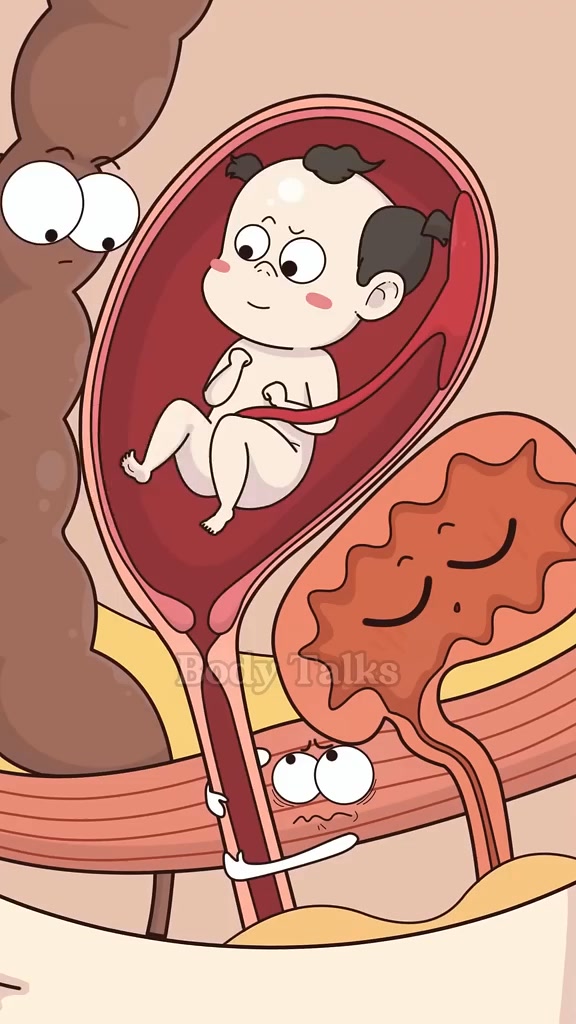
Women have one-of-a-kind health and wellness events, such as pregnancy, giving birth, and menopause, that may affect the urinary system tract and the bordering muscular tissues. The pelvic flooring muscular tissues that support the bladder, urethra, uterus (womb), and bowels might come to be weak or harmed. When the muscular tissues that sustain the urinary system system are weak, the muscle mass in the urinary system need to function more challenging to hold urine until you prepare to pee. This added tension or stress on the bladder and urethra can trigger urinary incontinence or leakage. Urinary incontinence is the spontaneous loss of bladder control, meaning pee leakages when you do not mean it to. It can vary from occasional light leak when coughing or sneezing to a sudden, extreme urge to pee that's challenging to control.Reduce on foods and drinks that irritate your bladder, such as hot foods, tomato-based items, alcohol, and high levels of caffeine. You ought to also preserve a healthy weight so your pelvic flooring does not experience additional stress from excess weight. Your pelvic flooring muscular tissues manage when you void your bladder and hold your pelvic organs in position.
Be patient as you work with your doctor or nurse on a treatment strategy. It may take a month or longer for various therapies to start working. Urinary system incontinence may come to be a lot more typical as you age, however that doesn't suggest it's a regular component of aging or an acceptable symptom of menopause. Urinary system incontinence is never typical, and while menopause can contribute, Visit the website we can certainly treat those awkward signs and symptoms.- Robinson and Cardozo reported that the most regular concern during menopause is UI, which influences 50% of postmenopausal women [21]
- Physical changes like producing much less estrogen, the thinning of genital cells, pelvic body organ prolapse, and difficulty emptying the bladder can all add to regular UTIs.
- Way of living adjustments are typically among the initial therapy comes close to suggested for moderate to modest urinary incontinence.
- There are several various sorts of urinary system incontinence, yet one of the most typical in females include tension incontinence, urge urinary incontinence, and combined urinary incontinence.
- While women can experience incontinence and vaginal atrophy individually, both frequently go hand-in-hand.
Pelvic Floor Exercises And Treatment
Additionally, age-related changes in testosterone and dihydrotestosterone (DHT) straight add to Benign Prostatic Hyperplasia (BPH), generally called a bigger prostate. This limits regular urinary flow, causes a frustrating feeling of incomplete draining, and results in constant nighttime journeys to the restroom. If bladder problems are influencing your day-to-day live, our professionals can aid you check out reliable, non-surgical alternatives. The most effective avoidance for genital atrophy is really routine sexual intercourse, either with or without a partner. Sexual activity boosts blood flow to the vaginal area and helps maintain the genital walls healthy.
It appears you are using an internet browser that is no more supported or obtaining updates. Please upgrade or set up a much more certified browser like Chrome, Firefox, Safari, etc for the very best watching experience. Your therapist might also direct you with rectocele prolapse workouts or uterine prolapse exercises based on your specific needs. If your signs suggest a nerve part or pelvic pain, consider an evaluation at Spinal Diagnostics.Can All-natural Treatments And Supplements Aid Treat Urinary System Incontinence?
Pelvic organ prolapse (such as dropped bladder, uterine prolapse, or rectocele) can add to incontinence. Incorporating targeted exercises can assist enhance signs, specifically when done consistently and appropriately. Genital atrophy passes numerous names, consisting of genitourinary syndrome of menopause and atrophic vaginitis. Despite the name, genital degeneration takes place when the walls of the vaginal area come to be slim, dry, and inflamed. Your physician may suggest a number of different therapy alternatives depending upon the intensity of your problem, and what kind of urinary incontinence you have.They might recommend Mirabegron (Myrbetriq), a special Neurological disorders type of drug called a beta-3 adrenergic receptor agonist, to increase the quantity of pee your bladder can hold. Subject estrogen products may additionally assist to tone your urethra and vaginal areas. Despite urinary incontinence being a typically reported symptom during perimenopause and menopause, it is not a normal or inevitable outcome of aging.
Pelvic Flooring Physical Therapy
Hormonal adjustments have a straight effect on urological health and wellness in both males and females. These changes affect the bladder, prostate, and urinary system patterns by affecting muscular tissue toughness, nerve level of sensitivity, and organ feature. When hormones like testosterone, estrogen, and others end up being unbalanced, they can result in issues such as overactive bladder signs and symptoms, bladder control concerns, and modifications in prostate wellness. Nevertheless, the right treatment depends on the specifics of your scenarios, so it's important to deal with your doctor to establish what works best for you.