Fat Cells: Battlefield For Undesirable Weight Gain! Weight Reduction Blog Site Dr Tague's Center For Nourishment Kansas City & Topeka
Why Does Lost Fat Returned? Is There Any Kind Of Means To Keep It Lost Permanently?

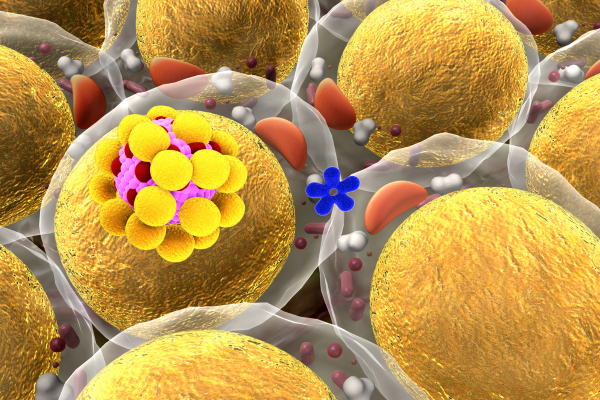
Key Adipocyte Society
- White adipose tissue is an important node in the homeostatic system that manages body weight and it plays a particularly essential function in the biological drive to reclaim lost weight.
- Accomplishing a healthy and balanced weight is required for Optimum Health and wellness, which is constantly worth the effort.
- D, e, Gene counts and the variety of UMIs per contributor in scAT examples from the LTSS (d) and NEFA (e) study.
- This reoccurring pattern might be partly attributable to an (obesogenic) metabolic memory that continues even after significant WL4,7,8,9,10 or metabolic improvements11,12,13.
- Long lasting contour depends upon what takes place after treatment as high as what takes place during therapy.
Because adipocytes are more at risk to cool than many neighboring structures, frozen fat cells might enter apoptosis, a type of programmed cell fatality. They need to know whether the treated fat cells are relocated, shrunk, or permanently transformed, and whether those changes influence general health or long-term contour. Weight gain takes place when we overindulge and fat cells increase from 2/3 full in the direction of 100% complete. But our original 30 billion fat cells, that usually consist of a total of 30 lbs of body fat, can only hold an extra 15 lbs or two. Fat cells can differ in dimension from 20% packed with fat (tiny and starving!) to 100% full (plump and stuffed!).
The decline in leptin is a lot more user-friendly because it is secreted directly from adipocytes. The impact on insulin is indirect, mirroring the improvement in insulin sensitivity that occurs with weight reduction (81-- 84). Remarkably, a variety of research studies have observed that leptin and insulin are actually decreased to a higher level than would certainly be expected for the quantity of fat mass (11,21,65,85,86).Source Information Figs 1-- 5 And Resource Information Extended Data Figs 1-- 10 (download Zip )
That is one factor lots of people do not discover the final adjustment instantly after a CoolSculpting session or similar consultation. That question becomes much more usual when a person has actually been irritated by persistent areas such as the abdominal area, external thighs, or bra fat. These are areas where existing fat cells may appear immune, even when the patient maintains solid, g healthy and balanced routines. These 2 hormones are much more powerful than willpower, a lot more powerful than self-control, and a real "dieter's nightmare"! These hormonal agents should be managed long term for weight-loss and weight upkeep.Body Fat And Diet Regimen
The cellular and metabolic adaptations in adipose tissues certainly add to the undermined postprandial expeditions of distributing nutrients adhering to weight reduction. The consequence to systemic metabolic rate is that postprandial sugar expeditions would certainly be attenuated and the postprandial reductions of flowing FFAs would be potentiated. To investigate the molecular systems and pathophysiological value of this putative metabolic memory of obesity, we examined WL in an experimental animal design (Fig. 2a). The 6-week-old man mice were fed a high-fat diet plan (HFD; 60% kcal from fat) or low-fat chow diet plan (10% kcal from fat) for 12 (H and C) or 25 weeks (HH and CC_l). Consequently, we switched the diet Helpful hints regimen to a standard chow diet regimen (HC, CC_s, HHC, CCC), leading to weight normalization in 4-- 8 weeks (Fig. 2b, c).