Is Bladder Leak An Indicator Of Perimenopause?
Menopause And Incontinence
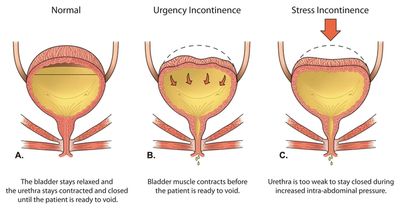
While you may see the initial signs during perimenopause, postmenopause is the moment when incontinence frequently comes to be more noticeable, extra relentless, and most likely to require active administration. Certainly, as you age, various other things can create urinary incontinence. Let's speak about what else may be happening and then discover some efficient ways to handle it. The bladder is a balloon like muscle mass that expands as it full of pee. Over time, the bladder sheds tone and it comes to be harder to clear the bladder completely.Each type of incontinence has different causes and administration strategies. A 2011 study reviews how estrogen plays an essential duty in maintaining our vaginal areas and urinary systems healthy. Your vaginal area and bladders have their very own particular microbiomes that maintain an equilibrium of "excellent" and "poor" bacteria. Bladder control problems are extremely typical for females in menopause, yet it is a treatable problem.

In many cases, our Westover Hills Female's Health and wellness team may suggest HRT to ease menopause symptoms, consisting of incontinence. This may be suitable if you're experiencing other signs of menopause such as warm flashes, night sweats, and state of mind swings. The occurrence of UI among post-menopausal ladies varied from 13.6% [11] to 84.4% [10], with a complete occurrence of 5394 (63.1%). An electronic database search was done to identify relevant English-language scholarly posts analyzing the effect of menopause on UI. The data sources queried consisted of PubMed, Web of Scientific Research, SCOPUS, and Science Direct.
Urinary Incontinence Materials And Encouraging Products
The frequency of UI amongst post-menopausal women varied from 13.6% to 84.4%, with a total frequency of 5394 (63.1%). Across research studies, the mean age of menopause varies, with some researches reporting averages around 48 to 50 years. A number of researches report that UI prevalence enhances with age, specifically in the postmenopausal period. UI signs and symptoms, such as burning micturition and combined UI, are noted, frequently pertaining to the genitourinary disorder of menopause (GSM) and nocturia. These signs and symptoms are linked to reduced quality of life and considerable morbidity.
Menopause And Urinary System Incontinence: Reasons, Treatments, And Alleviation Techniques For 2025
In this situation, Kegel workouts will not aid your urinary signs and symptoms and might trigger much more troubles. Speak to your doctor or nurse regarding your urinary system signs and symptoms prior to doing Kegel workouts. You and your physician or nurse will certainly work together to produce a treatment strategy.
Menopause is not the only factor to consider when searching for a root cause of urinary system incontinence. Let's be clear, it is not an unavoidable part of aging and should not be taken into consideration regular or simply accepted. If your pelvic floor isn't complying, you're likely experiencing any type of variety of agonizing or humiliating signs and symptoms. When you begin taking a GLP-1 drug like Ozempic, it's regular to feel most excited about results like far better blood sugar level control and reaching your fat burning objectives.
Various drugs, like anticholinergics, can relax the bladder and improve signs of urge incontinence. There are lots of treatments, both traditional and medical, that can be made use of to assist assist you through smooth sailing during this moment in your life, despite having bladder leaks. Keeping a healthy and balanced Pressure sores weight, preventing bladder irritants (like caffeine and alcohol), and remaining moisturized can all contribute to far better bladder control. Table 1 sums up the socio-demographic characteristics drawn out from https://www.ted.com/profiles/52099819 the research posts. Our collection consisted of 11 researches encompassing a total of 8,547 postmenopausal women [10-20]
- Bladder issues are common amongst perimenopausal women and it may intensify their quality of life, yet it doesn't need to.
- Estrogen decrease can also bring about weak point in your pelvic floor, the collection of muscles and tendons that create a supportive sling for your bladder and other pelvic body organs.
- Initially, reduced testosterone can add to a loss of muscle mass, consisting of the weakening of the pelvic flooring muscular tissues, which raises the risk of urinary system incontinence.
- Allow's talk about what else could be happening and after that find some efficient methods to handle it.
- There is no question that menopause, aging, and UI relate, however there is still much to learn about the underlying factors and practical treatment options.