Is Your Urinary System Incontinence As A Result Of Genital Degeneration?: Holistic Ob Gyn & Midwifery: Licensed Nurse Midwives
Is Your Urinary System Incontinence As A Result Of Genital Atrophy?: All Natural Ob Gyn & Midwifery: Certified Registered Nurse Midwives
Also if your UI is permanent, you can take actions to better boost your management of your signs and symptoms. For instance, you can examine your local pharmacy for absorbing pads and protective underwears for adults with UI. Most of these items are thin and easy to use under your garments, without any person observing.In this scenario, Kegel workouts will not help your urinary symptoms and might trigger more problems. Speak with your doctor or nurse about your urinary signs before doing Kegel workouts. You and your physician or nurse will certainly Overflow incontinence work together to create a therapy plan.
Just How Estrogen Loss Impacts Urinary Function
Pelvic organ prolapse (such as dropped bladder, uterine prolapse, or rectocele) can contribute to incontinence. Including targeted exercises can assist boost signs, specifically when done continually and correctly. Vaginal atrophy goes by lots of names, consisting of genitourinary syndrome of menopause and atrophic vaginitis. Despite the name, vaginal atrophy occurs when the walls of the vaginal canal ended up being thin, completely dry, and irritated. Your physician may Bladder training advise a number of different therapy options depending upon the intensity of your condition, and what kind of incontinence you have.
On top of that, natural aging can contribute to the loss of muscle mass tone in the pelvic region, making bladder control harder with time. Childbirth, obesity, smoking cigarettes, and specific chronic problems like diabetic issues can also raise the threat of establishing urinary incontinence. Testosterone helps preserve prostate wellness, while estrogen affects the bladder cellular lining and pelvic muscle mass. Both are very important for regular urinary tract function and lowering danger factors for heart problem and prostate cancer cells. But before going over therapy alternatives, we'll first check out the role that estrogen plays in urinary incontinence and urinary system system infections. In some cases, urinary incontinence might be connected to various other medical conditions beyond hormonal modifications.Why Does Urinary Incontinence Get Worse Throughout Menopause?
The average age for menopause is years of ages, so signs might begin as quickly as your early 40s. You might discover that way of life modifications alone aren't sufficient to fully settle incontinence. Keep a journal of your symptoms, any triggers that make incontinence even worse, and the extent of your signs. Menopause is completion of a woman's fertility and is noted as 12 consecutive months without a period, but you could experience symptoms for months and even years prior to you reach that 12-month turning point.

- Combining medical interventions with way of living modifications aids sustain general urological health.
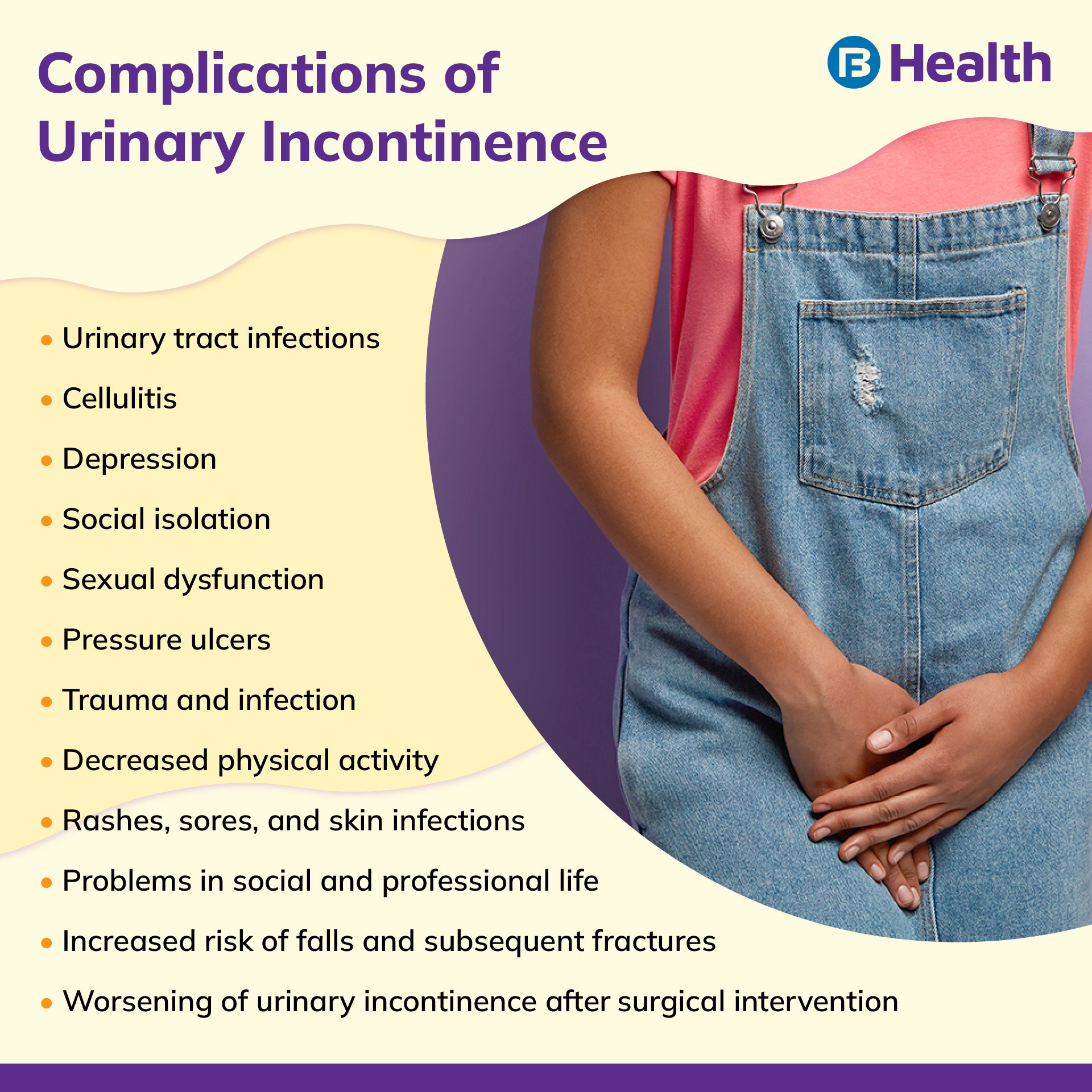
- Especially, some females might avoid exercise, traveling, or even intimate connections because of concerns of urinary incontinence, thereby substantially impacting their overall health and way of living [5]
- A decrease in estrogen and various other hormonal agent modifications can impact muscle mass strength in the pelvic area, enhancing one's possibilities of experiencing urinary incontinence.
- We understand it's not always easy to speak about urine leakages, however there are therapy options offered to assist you reclaim control and take pleasure in a far better quality of life throughout this transformative phase.
- Throughout times of hormonal variation, such as maternity or the menstruation, progesterone changes may change bladder level of sensitivity and contribute to sensations of seriousness or pressure.